
Jan 8, 2026 | Beard Styles, Beard Trim Guides
A good beard involves more than just growing facial hair; it’s an act of cultivation. Just like a garden can quickly turn into a jungle if it’s left uncultivated, a beard can quickly resemble a jungle if it’s left uncared-for. The trick to having an impressive beard may very well lie in the details, and particularly the boundaries. A defined line upwards can turn a rugged look into a statement.
Every day at First & Mane, we get to work with clients who have a great growth rate but struggle to style their beard. The difference is usually the lines around the cheeks and neck. When the lines around the cheeks and neck are well-defined, the face itself will appear more chiseled. A well-cut beard will define the jaw, clean up the neck, and give the face a harmonious shape, making it attractive by nature. If you’re looking for a local barbershop in Scottsdale that specializes in beard line up, we’ve got you covered.
This style takes some effort to maintain; however, it is well worth it. The effect of a well-cut line up is that it gives you a confident look. You feel confident when you head out knowing you look great. With this in mind, let us talk about what you can do to achieve such a style. If you’ve struggled with how to properly line up a beard, these steps will help you achieve a sharp look!
The Right Tools for the Job
A clean shave at home can be attained, but you require proper equipment. A regular razor blade without preparation is sure to cause you uneven lines and irritation. First of all, you require a good quality trimmer. You should look for a trimmer that contains a T-blade. This enables you to carry out precise trimming and achieve sharp edges. This is essential to achieve clean lines on your cheeks and neck without trimming your beard.
A straight razor or safety razor is also needed to achieve the most refined finish. While trimmers are perfect for laying the line, a razor will remove all the stubble and leave you with the smooth skin contrast effect to make your beard stand out. Clear shave gel is also a must-have in your beard care routine. Unlike shaving foam, clear shave gel allows you to see where you are shaving and avoid errors in the process.
Lastly, a beard comb or brush is needed to prepare your hair before cutting to make sure you are not cutting stray hairs when all you needed was to brush them in place.
The Professional Touch and Home Maintenance
Of course, having the right equipment is a fantastic start, but the initial shape is usually better left to the experts. As soon as you sit in our chair, we evaluate your facial features, hair growth patterns, and jaw shape. We do not simply cut; we design a line-up that will go along with your features. We can create a curved or straight cheek line that emphasizes your cheekbones and create a neckline that prevents the dreaded ‘double chin’ without looking messy.
Once we have determined the perfect shape on you, maintaining the look is much simpler. You won’t be wondering where the line is supposed to be; all you have to do is follow the blueprint that we have laid out. Between appointments, you can maintain the area with your trimmer to keep the stubble at bay according to the lines we have laid out.
When you see the lines beginning to wear off or become hard to see, that is the signal that it is time to return. We can reestablish the lines, deal with the bulk, and put you back on track. Explore different lined up beard styles to find a look that suits your personality.
Confidence in Every Detail
A well-groomed beard is an accessory like no other. It tells a lot about your attention to detail and personal respect. When you look in the mirror and notice clean-cut lines, it gives you a confidence boost. You are ready to take on the day.
Whether you like your cheek line high, low, or sharp, it’s about accuracy. And while a sloppy edge shouldn’t detract from your dedication to growing, come on down to First & Mane, and we’ll carve out your perfect shape. You’ll know what a real line up feels like. Experience the best in beard line up styles and walk out with your beard lined up to perfection!
Dru Meskan is the owner and master barber at First & Mane in Scottsdale, Arizona. With 19 years of haircutting experience, including 11 years as a professional barber, Dru is known for precision cuts, modern grooming techniques, and personalized service that keeps clients looking and feeling their best.

Dec 30, 2025 | Beard Styles, Hairstyles by Face Shape
We see it every day at our shop. A customer will sit in our chair, touch their hair, scratch at their beard, and then ask, “What can we do with this?” For a good deal of years, it seemed like it was either have very long hair and a short beard or be clean-shaven with a messy mop on your head. But lately, we have seen an enormous movement toward harmony. The look that might be considered most flexible and feasible on a man would be a short and edgy haircut with a well-kept beard. If you’re looking for styling tips, this classic combo remains as popular as ever.
Rationale for Short Hair and Beards
As soon as we start cutting hair, geometry becomes our prime concern. We always want to make our facial structure more oval or square, as these are considered more masculine shapes. A neat haircut on both sides and on top reduces unnecessary hair, and a beard contributes mass to our jaw line. All these features frame our face perfectly, making short hairstyles for guys with beards an excellent choice for men who want a balanced and modern look.
Practicality is also a massive consideration. It’s just easier with short hair. It dries faster and doesn’t require as much product. You can concentrate on your beard if you have your business together on top. It shows you put thought into your look without looking like you tried. A sloppy beard and hair just looks like you just rolled out of bed. It suggests you don’t put any effort into your life, and it doesn’t exactly inspire confidence. For a polished appearance, short hairstyles for men with beards offer an effortless way to look sharp and put-together without a lot of fuss.
Best Short Hair and Beard Combinations for Men
If you would like to attempt this combination, you should start with some basics. The Crew Cut with a Full Beard is classic. We maintain a short haircut on top and a fade on the sides; it keeps your eyes drawn down to your beard. It works very well on guys with rounder faces, as it stretches your face out with thickness on top and length on bottom. For those considering short hairstyles for men with a short beard, this approach highlights your features while still offering a modern and refined appearance.
The next style we would personally love is the Buzz Cut with Stubble or Short Boxed Beard. It requires zero maintenance. It is very raw and very manly. The thing about this style is that it requires clean beard lines. Since your beard would be so short, anything sloppy about your beard cheek lines would show.
But for guys who want some more styling options, we recommend a Textured Crop with a Tapered Beard. We maintain some length on the top to make it textured and dynamic, and taper the beard so it blends seamlessly into the sideburns. We want these two clearly defined sections to be seen as a single cut. This is one of the most contemporary hairstyles for men with short hair and a beard, offering flexibility and a well-groomed edge.
More Short Hair and Beard Combinations Worth Trying
A few more pairings come up often enough industry-wide that they’re worth adding to the list above. A Brush Up Fade with a Medium Beard is a strong option if you want more presence. Heat and a bit of product lift the front of the hair for height and texture, and a mid or high fade on the sides keeps it from overwhelming a fuller beard underneath. It reads a little Viking, a little modern, and it photographs well.
A Comb Over with a Low Taper Fade and a graduated beard is the lower maintenance route. The fade does most of the visual work up top, so your beard doesn’t need to compete for attention, it just needs to stay clean along the edges and taper smoothly rather than stopping in a hard line.
For guys who want something with more edge, a Faux Hawk with a Full Beard is worth trying. Faded sides draw the eye toward the center strip on top, and a fuller beard underneath balances that height so the whole look doesn’t tip too far toward “styled” and lose its rugged feel.
Short Haircuts for Men with Beards: Styles to Avoid
Although we’re big proponents of experimenting with styles, some combinations are just bound to fail. We would recommend against the ‘Top Heavy’ hairstyle. It occurs when your hair is much longer and broader compared to the thickness of your beard. Having a manly pompadour and a mere stubble beard would result in an imbalanced equation. Your chin might appear feeble.
On the flip side, don’t have what we call the ‘Neckbeard’ effect with short hair. When your haircut is sleek and fresh, but your beard line undermines it with a low or dull beard neckline, it could look terrible. It will mess up your clean-cut short hair. It’s essential to maintain your beard neckline at all times; it should be above your Adam’s apple.
Matching Your Combo to Your Face Shape
Face shape plays a bigger role in this decision than most guys realize. If you have a round face, lean into combinations with height and length, like the Crew Cut with a Full Beard mentioned above, since the added structure stretches the face out rather than widening it further. If you have a square face, you already have strong, angular features to work with, so a Buzz Cut with a defined beard tends to look sharp rather than harsh, since the jawline is doing the work already. Oval faces are the most flexible of the bunch and can carry nearly any combination on this list, from a Textured Crop to a Side Part, without much risk.
Not sure which shape you’re working with? Our full guide to different beard styles for every face shape breaks it down in more detail.
Find Your Balance
The trick to finding the perfect combo is knowing your facial shape and hair type. The next time you’re in your chair at First & Mane, just ask us what beard length will complement your favorite short cut. It may take some adjusting of beard lengths before it feels perfect, but trust us, once you hit the sweet spot, you won’t want to ever change!
Frequently Asked Questions
What Is the Best Short Haircut for Men With a Beard?
A Crew Cut with a Full Beard, a Buzz Cut with Stubble, and a Textured Crop with a Tapered Beard are three of the most reliable combinations, each suited to a slightly different level of styling effort.
How Often Should You Trim Your Beard With a Short Haircut?
Most short cuts need a barber visit every two to four weeks to stay sharp, and your beard should be trimmed on roughly the same schedule so the two grow out together instead of falling out of balance.
What Beard Length Goes Best With Short Hair?
It depends on the cut. Very short styles like a buzz cut pair best with stubble or a short boxed beard, while a bit more length on top, like a textured crop, can support a fuller, tapered beard.
Can Any Face Shape Wear Short Hair With a Beard?
Yes, though the specific combination matters. Round faces benefit from added height and length, square faces suit cleaner and more angular combinations, and oval faces can wear nearly any pairing well.
What Ruins a Short Hair and Beard Combo?
The two most common mistakes are a “top heavy” look, where the hair is much longer than the beard is thick, and a low or undefined beard neckline that undercuts an otherwise clean haircut.
Dru Meskan is the owner and master barber at First & Mane in Scottsdale, Arizona. With 19 years of haircutting experience, including 11 years as a professional barber, Dru is known for precision cuts, modern grooming techniques, and personalized service that keeps clients looking and feeling their best.

Jul 30, 2025 | Beard Grooming, Beard Maintenance
A well-trimmed beard symbolizes your masculinity and self-confidence. However, beard growth is a big concern for many men. Of course, not all facial hair grows to the same length. It takes patience to have a full beard. You might be familiar with various products to accelerate the growth rate. But, coconut oil is a safe remedy for those who like to have a healthy beard.
Should you use coconut oil for a beard? Let us discuss how this oil provides multiple benefits for your facial hair.
Does Coconut Oil Help in Beard Growth?
Extracted from mature coconuts, the oil contains over 90% saturated fat. It is a medium-fatty acid, infused with nutrients.
But, can coconut oil help beard growth? The refined coconut oil has lauric acid properties that stimulate your beard growth. Its unique molecular structure and low weight allow the oil to penetrate your hair follicles and skin. You will have thicker and fuller hair once you have washed it out.
In some cases, protein loss is the main cause of losing facial hair. However, coconut oil will prevent protein loss and protect your beard.
Is Coconut Oil Good for Beards?
Coconut oil is not merely for growing your beard faster. It benefits your facial hair in several other ways.
Add Shine to Your Facial Hair
Some people use chemical-rich conditioners for their beards. However, coconut-extracted oil is a natural moisturizing solution that deeply conditions every hair strand. Your follicles soak it up and retain internal moisture. All in all, your beard feels softer and looks shinier.
Prevent Inflammation and Dandruff
Pityriasis Simplex (dandruff) is a common issue of men’s facial hair. When dead skin sheds excessively due to dryness, it results in dandruff.
Although dandruff has no permanent solution, coconut oil effectively minimizes problems. It interacts with your skin and reduces sebum build-up. You can finally avoid that itchy, dry beard.
No Clogged Pores
The skin growing underneath your beard should be healthy. As the organic oil has beneficial fatty acids, its antibacterial properties keep your skin healthy. It destroys detrimental bacteria that cause acne. Thus, condition your facial hair regularly with coconut oil and you’ll notice the difference.
Restore Damaged Hair
Your beard’s hair follicles get damaged due to bad diet, pollutants, and UV rays. Thankfully, coconut oil will save you from follicle damage by creating a protective barrier. With an SPF of 8, it prevents damage from environmental elements.
Tips for Using Coconut Oil for Beards
You can apply the oil to your beard a few minutes before going to bed. While you sleep, it will condition the facial hair. Ensure you have washed the oil off in the morning. You may also use the oil as your facial mask and see its effects.
Coconut oil has protective and hydrating properties that soothe your facial skin and improve your beard’s appearance. To learn more about home remedies for your beard, contact a professional barber in your locality. Schedule your appointment today and get barbering services you can trust!
Dru Meskan is the owner and master barber at First & Mane in Scottsdale, Arizona. With 19 years of haircutting experience, including 11 years as a professional barber, Dru is known for precision cuts, modern grooming techniques, and personalized service that keeps clients looking and feeling their best.
Jul 23, 2025 | Beard Styles
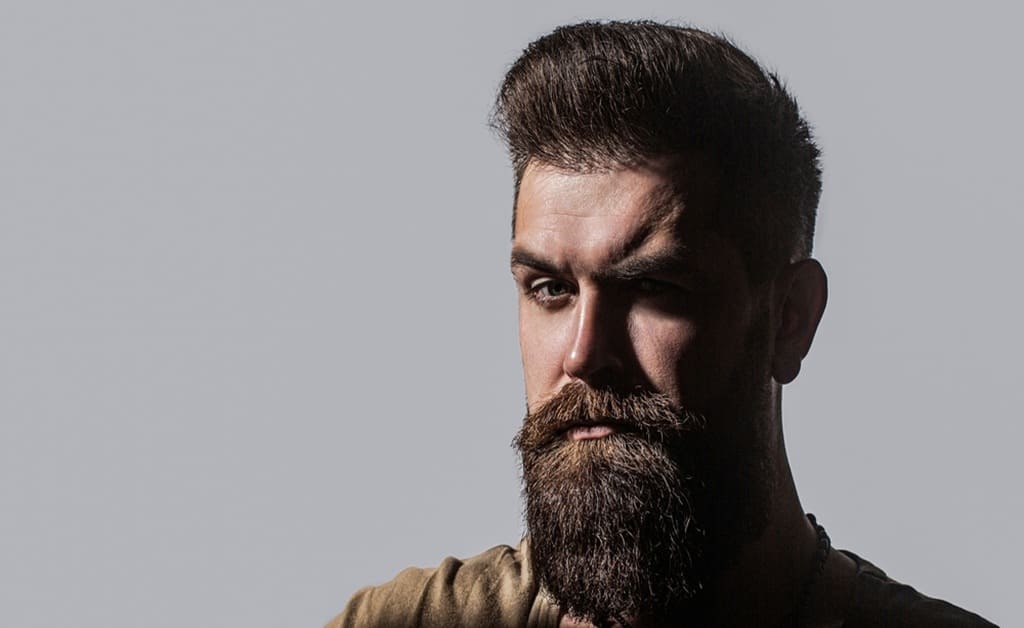
A well-groomed, long beard can do miracles for your looks. More than mere facial hair, it’s an indication about personality, flair, and confidence; a long beard is trendy, too. Ancient warriors, spectacled wizards, or contemporary chic, the quintessential long beard can make you make just the statement you need. Whether you’re exploring styles for long beards now or thinking about the future, there’s something for everyone and our service in Scottsdale can help.
Long beards are about dedication, patience, and proper styling. The secret lies in discovering a style which goes well for your face structure, for your lifestyle, as well as for your taste. Five diverse long beard styles for men which are sure to attract eyeballs and spark debates are shown below.
Best Five Diverse Long Beard Styles for Men
1. The Viking – Fearless and Free-Spirited
The Viking beard is pure, raw, primitive masculinity. The beard is, on average, below the collarbone in length, and little is cut, preserving the rough, natural integrity of the beard growth.
To pull off this look, do not be tempted to over-cut. The condition of your beard should be natural for a few months, while still remembering its health, rather than having shaped hair. Showering and conditioning every day will keep it deliberately rough, but not sloppy. The Viking is a winner in the group of beard styles for long beards, especially for angular or oval faces. It can also be worn with thick hairstyles.
2. The Gandalf – The Wise and Wizardlike
Following the legendary wizard, the Gandalf beard is characterized by wisdom, mystique, as well as academic authority. The beard is characterized by sheer length that droops down in an even line, sometimes reaching chest high or even below. Its distinguishing trait is a well-groomed, flowing look which screams both age as well as wisdom.
To be effective in the Gandalf demands commitment to length as well as stringent maintenance. The hair is kept in the requisite orientation by regular combing, and selective cutting allows for sharp lines without undue loss of length. The style is very successful on men in their later years or in academia/professional careers, as they must be capable of projecting intellectual authority. This is one of the most distinctive men’s long beard styles for a timeless appearance.
3. The Verdi – Elegant and Chic
With the Verdi, length is always a choice in harmony with subtle cutting that tapers beautifully down. The Verdi is heavy all the way down the jaw and cheeks but presents a narrow profile for either daily or dress wear.
To maintain the classic shape, the beard must be styled professionally often. The secret is length balanced against architecture, cutting sharp lines which define but do not obscure your face. The Verdi is for men who would like to appear as if they are wearing a characterful beard, but still hope to convey a professional long beard style finish.
4. The Garibaldi – Unique and Modern
The Garibaldi demands respect just due to presence alone. The length takes in maximum body and volume, so the beard is thick as well as majestic in every direction. The beard is not as wild as the Viking, as natural thickness in the beard is accepted, but without much discipline.
The Garibaldi is attainable for some because beard density is good in the genetics, and then light grooming accentuates the look. Brushing every day distributes oil and gives the general presence which is behind such a cut. The Garibaldi is applicable to men with sharpened jaw points and is for men in authority positions needing to project authority. This is a standout among the most impactful long beard styles for men.
5. The Ducktail – Neat and Tapered
The Ducktail brings length cutting in beards to an element of precision. The style consists of tightly disciplined length which tapers down to a point, for a narrow profile which is striking as well as simple to manage. The Ducktail gives the illusion of a long beard, but still grants the well-groomed appearance demanded in dressy events.
It requires continued upkeep and clever cutting skill. The tapering finish requires consideration for symmetry and balance. The Ducktail is suggested for men who value retro-styling in the contemporary world. It’s among the most refined beard styles for long beards.
Finding Your Signature Style
Each long beard style is a personal expression and means to make your statement. Bear in mind your face, your needs in terms of lifestyle, and your sense of style when deciding on your plan. Remember, growing and caring for statement-making long beard styles for men is a continuous process which takes patience, good grooming, and confidence for your pick to pay off.
Dru Meskan is the owner and master barber at First & Mane in Scottsdale, Arizona. With 19 years of haircutting experience, including 11 years as a professional barber, Dru is known for precision cuts, modern grooming techniques, and personalized service that keeps clients looking and feeling their best.

Jun 30, 2025 | Barber FAQs, Beard Maintenance
Beards have been a fashion statement and a symbol of masculinity for hundreds of years, yet they are not as low-maintenance as they appear to be. If you’ve been pacing back and forth in front of the shelves at the neighborhood beauty supply shop, then you’ve likely seen beard oil. Guaranteed to be essential for every man with a beard, some say that they can actually encourage your beard to grow more. Does beard oil help your beard grow? We’ll talk about beard oil today and if it really grows your beard or if it does something else.
Does Beard Oil Assist With Growth?
To answer the million-dollar question right off the bat: no, beard oil will not give you a beard. The notion that applying beard oil somehow magically will make new hairs sprout is pure myth. Does beard oil help growth? The answer is rooted in biology. Beard growth is genetic, hormonal, age-based, and health-based—not a function of what you apply to your face.
Biologically, hair follicles responsible for the beard are regulated by testosterone and its more powerful byproduct, dihydrotestosterone (DHT). A product such as beard oil is not going to interfere with the biological process, so it is not going to perform miracles to fill in patchy spots or make your hair grow faster.
All things being equal, beard oil cannot be discounted. It is not a growth stimulator, perhaps, but it is included in the process of beard care, and that can be the perfect condition where growth can follow through.
How Beard Oil Indirectly Encourages Growth
Although the beard oil is not directly creating new growth, it is assisting indirectly by removing the common issues that could be preventing growth.
Moisturizes the Skin
One of the greatest benefits of beard oil is that it can moisturize the typically dry skin beneath your beard. Dry skin equals itchiness, flakiness, and beard dandruff (or “beardruff”). With healthy, smooth skin, you’re providing your beard hair with a healthier platform to grow from.
Beard oil usually offers carrier oils like argan, jojoba, or almond oil that are the same as the natural oils your skin produces. They moisturize all of it so you don’t experience dryness and itchiness that will make you shave the whole thing off with the razor. If you’re serious about taking care of your beard, you may want to book your appointment with a professional barber to keep it in optimal shape.
Prevents Breakage
Just as the hair on your head, your beard hairs are also prone to breakage, particularly if they are brittle. Broken hairs thin out your beard and discourage further noticeable growth. Beard oils usually contain moisturizing properties that fortify the hair shaft so that it will be less prone to having split ends or breaking off.
A healthy beard will also not split as much and will be able to grow to its full length, which also helps with the appearance of growth. Use beard oil to promote growth by keeping your beard hydrated and strong.
Reduces Skin Redness and Inflammation
If you’ve ever experienced the annoyance of bumps or redness under your beard, inflammation is to blame. Some of the oils contained within beard oil, like tea tree or eucalyptus, contain anti-inflammatory agents that calm irritated skin. By warding off inflammation, beard oil allows the hair follicles a cleaner, healthier area to do what they were designed to do without blockage or irritation.
Although it will not grow new hair, a content and relaxed base encourages healthier growth throughout the rest of your beard. In the long run, using beard oil for growth can make a noticeable difference.
The Final Choice Between Beard Oil and Growth
Beard oil is not a beard-growing miracle serum, nor are its virtues merely cosmetic. It moisturizes skin, conditions hair, and calms irritation, so your beard can, in the long run, be healthier and fuller-looking. Beard grooming is a marathon, not a sprint, and a healthy, well-groomed beard will always outshine a scrawny one, regardless of whether it’s growing fast or slow.
If you’re looking to optimize your beard, utilize beard oil to increase growth as part of an overall strategy. Employ it in combination with good grooming, a healthy diet, and proper hydration methods to help facilitate healthy growth. And above all, be patient.
Invest in your beard’s well-being, and you’ll find after a while what a difference a small bottle of beard oil will make—not as any sort of magic growth formula, but as part of maintaining your beard in its optimal state.
Dru Meskan is the owner and master barber at First & Mane in Scottsdale, Arizona. With 19 years of haircutting experience, including 11 years as a professional barber, Dru is known for precision cuts, modern grooming techniques, and personalized service that keeps clients looking and feeling their best.
Jun 16, 2025 | Beard Grooming, Beard Maintenance
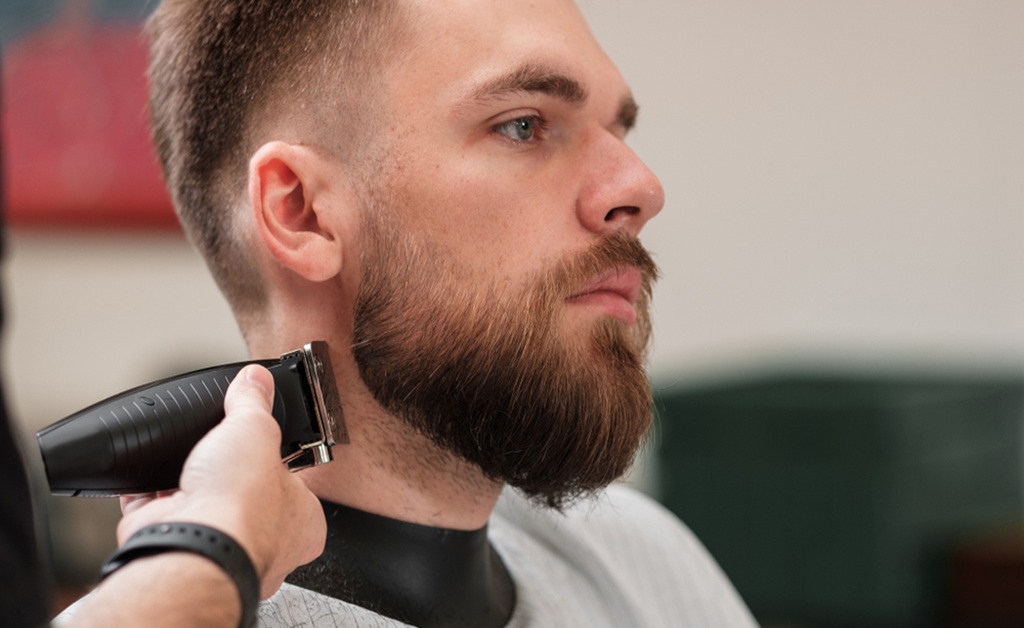
The beard has been the symbol of masculinity and style for centuries, and full beards are the ones that steal all the limelight. Did you ever try growing one and were not happy with the outcome? You’re not the only one. Most men cannot grow a denser beard, but here is the good news—it is not entirely within your control.
Genetics and patience are a large part of the equation, but there are real actions you can take to optimize your chance at growing the fuller beard you’ve always desired. If you’re wondering how to grow a beard fuller, this guide breaks it down for you step by step.
Genetics and Beard Growth
Before you alter your entire routine, come to terms with the part that genetics play in your potential to develop a beard. The density, length, and pattern of growth of your facial hair are all more or less determined by your genetics. Some men are genetically inclined towards thicker beards, and some will notice patchiness or thinning.
Knowing this is not to depress you, but to be realistic. You might not be able to develop a lumberjack beard if your ancestry doesn’t favor you, but you can maximize your beard to its potential with a proper attitude and make it much fuller than it currently is. For more guidance, read expert tips on improving your beard growth naturally below.
Lifestyle Factors Influencing Beard Growth
Your lifestyle can contribute significantly toward determining the potential of your body for developing healthy hair, both on your face and elsewhere on your body. Be mindful of what you eat, exercise regularly, sleep well, and manage stress, as all these play a large role.
Consume a protein, nutritious fat, and vitamin-filled diet with Biotin, Zinc, and vitamin D that provide your hair follicles with the nutrients necessary to stimulate growth. Combine that with some exercise to get blood flowing to your face, which provides your hair follicles with the nourishment to grow.
Sleeping is the most overlooked part, but 7-8 hours each night will allow your body to rest and recover and your hair to grow in a healthy way. Stress management is also very crucial in the same respect. Too much stress leads to hair loss on your scalp, along with your beard. Mindfulness, yoga, or a gym session can keep stress away. These tips can help if you’re wondering how to grow a thicker beard through daily habits.
Beard Skincare Routine for Beard Growth
Healthy skin is the root of a dense beard. Why? Your hair follicles are underneath and need a healthy, clean environment to develop properly. Adding a proper skincare routine can be the secret to a denser beard.
Begin with frequent washing of the face to eliminate dirt, oil, and dead skin cells that can clog pores and slow down hair growth.
Exfoliating two times weekly also helps by preventing ingrown hairs and also stimulating the follicles.
Last but not least, use a good moisturizer to keep your skin well-moisturized because dryness leads to weak and brittle hair. Also, never forget to massage your skin occasionally because it will increase circulation to the hair follicles as well as promote growth. These small changes can make a big difference when learning how to thicken a beard naturally.
Can Products and Supplements Help?
There are a number of beard growth supplements and products available on the market that profess to be effective. Though not all of them do help, there are indeed some that really will help you grow a beard.
Biotin, or what is also referred to as a “hair growth vitamin”, is one of the most widely used supplements to enhance the growth of healthier and thicker facial hair. Vitamin E and Zinc are both supplements that will help to thicken and strengthen your hair.
As far as topical creams go, beard oils and growth serums can both moisturize the skin underneath and soften facial hair. Argan oil, jojoba oil, or castor oil are all worth looking for, as they moisturize and thicken the hairs. Minoxidil, a topical hair growth medication applied typically to the scalp, also seems to function well when applied carefully to facial hair (but consult an expert first). These products can help if you’re asking how to make beard thicker with external aids.
Reaching Your Beard Potential
Growing a thicker beard may seem like something that you do over time, but stick with it. Work on building a more lush way of living, getting a good skincare routine in place, and utilizing beneficial products or supplements to support beard growth.
Don’t expect overnight success, but slowly but surely with persistence, your beard will be more than you ever thought. If you’re looking for effective ways on how to make a beard thicker, consistency is key.
Keep in mind, though, that while genetics receive the opening act, you can control the finale. Begin these steps today and ensure your path to the beard you’ve always desired a fruitful and enriching journey.
Dru Meskan is the owner and master barber at First & Mane in Scottsdale, Arizona. With 19 years of haircutting experience, including 11 years as a professional barber, Dru is known for precision cuts, modern grooming techniques, and personalized service that keeps clients looking and feeling their best.

