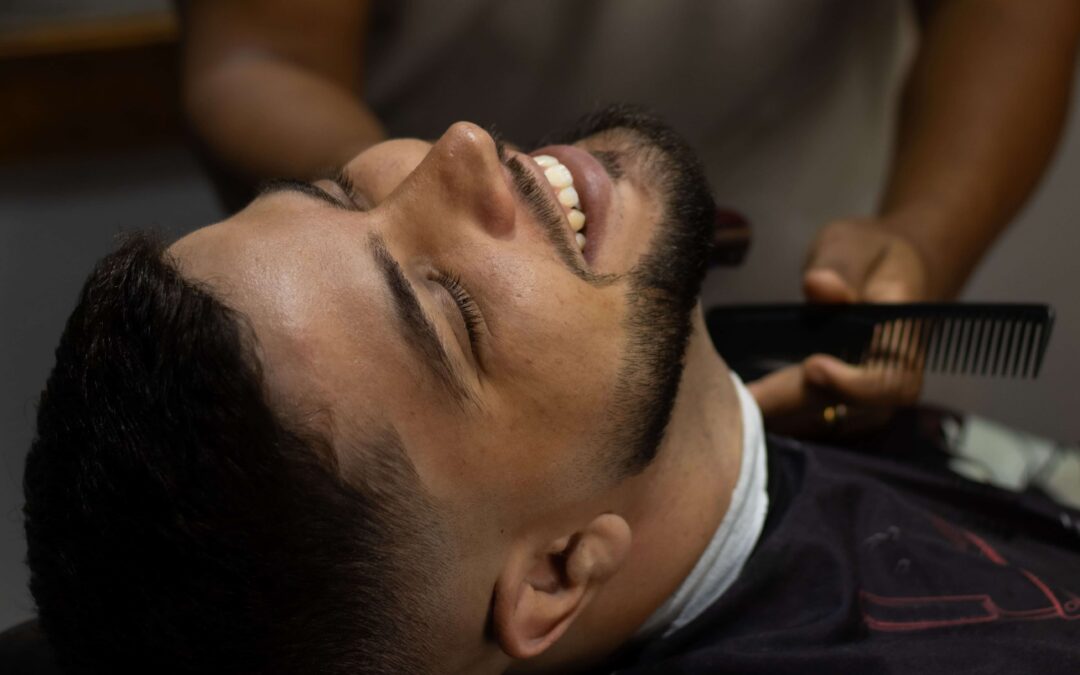
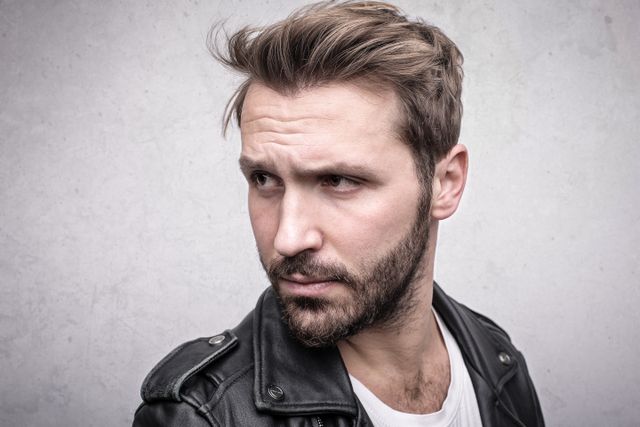
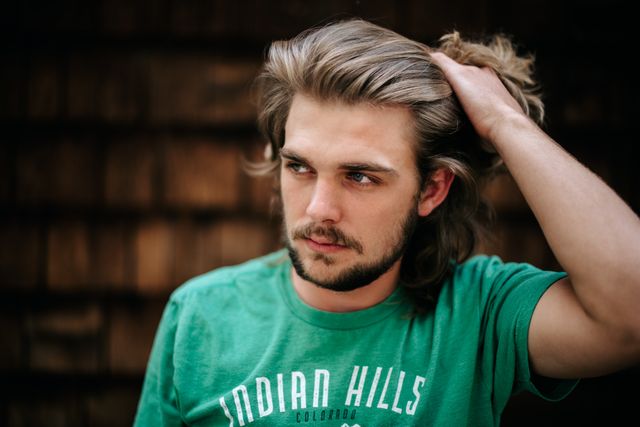
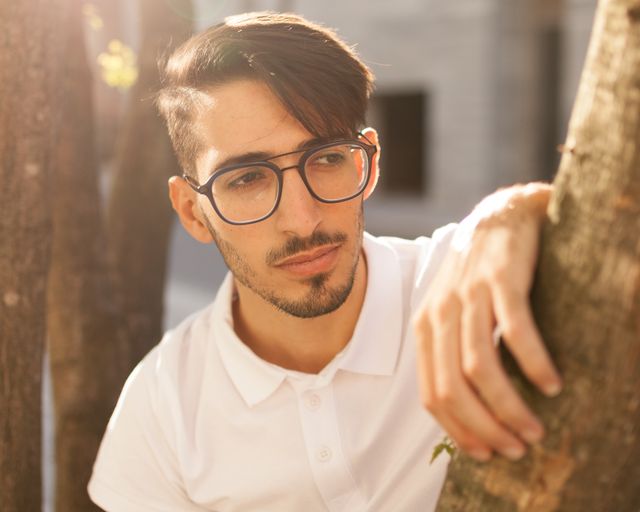
A good beard lineup isn’t something you get from a razor and a steady hand alone. It takes precision, real experience, and the kind of eye for detail that only shows up after years behind the chair. That’s the standard we’ve built our name on here in Scottsdale, one clean edge at a time.
There’s no shortage of barbershops around here, and we know it. But finding a shop that gives you sharp, even lineups and actually makes the visit worthwhile? That’s a shorter list. We think First & Mane belongs on it, and plenty of guys across the Valley seem to agree. Here’s what keeps them coming back.
Why Scottsdale Clients Choose First & Mane
Results you can see in the mirror
A lineup lives and dies by its edges. If you’ve ever searched how to line up your beard and felt overwhelmed by the options, here’s the short answer: it starts with clean, symmetrical edges that frame your face. Ours hold up long after you’ve left. We don’t rush this part. A lineup that looks sharp on day one should still look sharp on day four, and that only happens when someone takes their time with it.
Two locations, less driving
Live up in North Scottsdale? We’ve got you. Spend more of your time around Old Town? Same. Two shops means you can grab a fresh lineup without building your whole afternoon around a cross-town drive.
Barbers who actually know beard work
Skill matters here, so we don’t cut corners on who we hire. Our chairs are staffed with experienced barbers and master barbers, and their training shows up in the small stuff, like the way a line curves around your jaw – including knowing where should the beard line be for your face shape – or how cleanly a fade melts into your beard. Those details are the whole game.
Over 500 Google reviews behind us
We’d rather let the work talk, and our clients have done plenty of talking for us. First & Mane has earned more than 500 Google reviews at an average of 4.9 stars. Numbers like that don’t stack up by luck. They come from showing up the same way every single day and treating first-timers like regulars.
A consultation before the clippers
No two beards grow the same, and no two faces are shaped alike. So before anything gets trimmed, we sit down with you for a quick chat about your face shape, your beard’s density, and the look you’re actually after. It takes a couple of minutes, and it changes everything about the final result.
Free refreshments while you’re here
Getting groomed shouldn’t feel like one more chore on the list. That’s why every client gets a drink on us. Maybe it’s a coffee to kick off your morning, maybe it’s something cold to wind down. Either way, we want you settled and comfortable from the second you sit down.
Booking that doesn’t waste your time
Your time’s worth something, so we kept scheduling simple. Whether you found us as a beard barber near me or heard about us through a friend, our online booking lets you pick your barber, grab a time slot, and lock it in with a few clicks. No phone tag. No hold music. Just done.
A shop that feels like a shop, not a waiting room
Walking into First & Mane should feel more like stopping by to see a friend than parking yourself in a lobby. We built our spaces to be relaxed and easy to hang out in, so you can actually enjoy the visit instead of just crossing it off your list.
Fast service when you need it
Not every visit has to turn into an hour-long affair, and we get that. Our team works quickly without letting the quality slip, so you can get a crisp lineup and head back to whatever’s next. From the moment you sit down to the last glance in the mirror on your way out, the focus stays on you.
Book Your Next Lineup with First & Mane Today
A sharp lineup does more than tidy up your face. It changes how you carry yourself, and honestly, that’s a responsibility we take seriously. Everything we do, from the barbers we hire to the consultations we run to the shops we’ve built, points back to one thing: you walking out looking your best.
Ready to see it for yourself? Booking takes just a few clicks. Head to our website to set up your next appointment at either the North Scottsdale or Old Town location – whether you’re coming in to shave beard line edges or for a full grooming session, let us show you why so many guys keep coming back.
Dru Meskan is the owner and master barber at First & Mane in Scottsdale, Arizona. With 19 years of haircutting experience, including 11 years as a professional barber, Dru is known for precision cuts, modern grooming techniques, and personalized service that keeps clients looking and feeling their best.
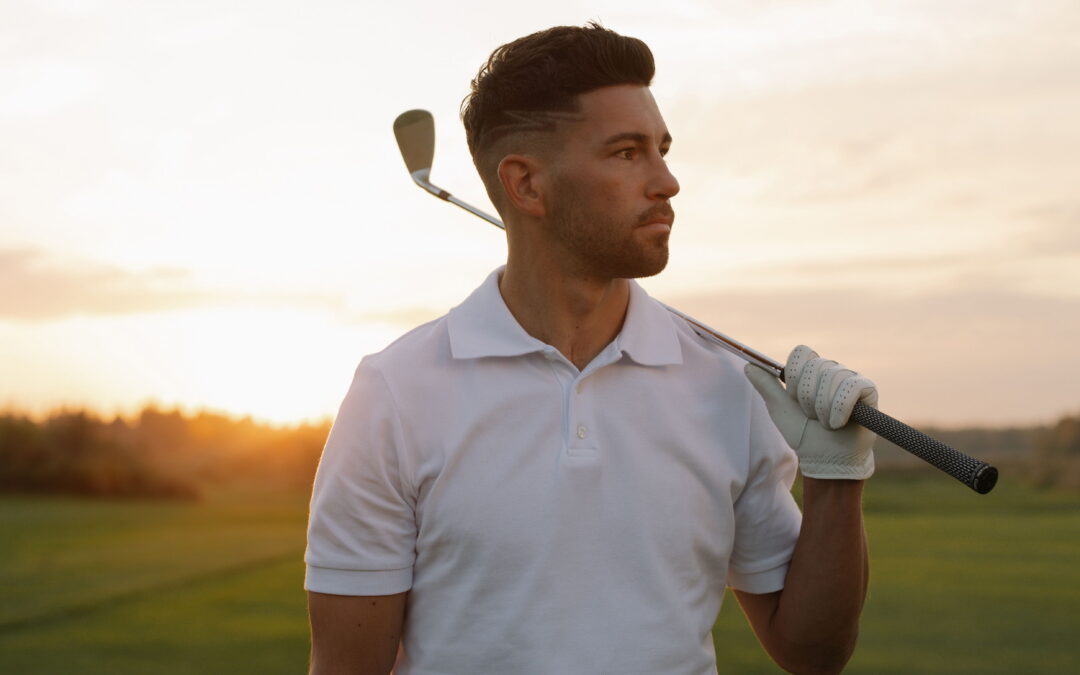
A hairstyle can quietly wreck a good round. Too much length, the wrong product, no thought for the sun – and by the third hole you’re pushing sweaty hair off your forehead instead of thinking about your next shot. We run a barbershop here in Scottsdale, and after years of cutting golf weekend haircuts for men, we’ve learned what actually holds up out there. The Arizona sun doesn’t go easy on anyone. Whether you’re playing a weekend tournament at TPC Scottsdale or just walking nine with a couple of friends, your hair should keep up with your swing instead of getting in the way.
Below are the cuts we reach for most often at First & Mane. Some are old reliables, a few are bolder, and we’ll tell you why each one earns its spot in this climate.
Classic Golf Styles That Never Go Out of Style
Certain cuts stick around because they do the job. No gimmicks, no fuss. These are the ones we suggest most when a guy wants to look put-together without babysitting his hair every morning.
The Clean Fade: Sharp, Professional, Low-Maintenance
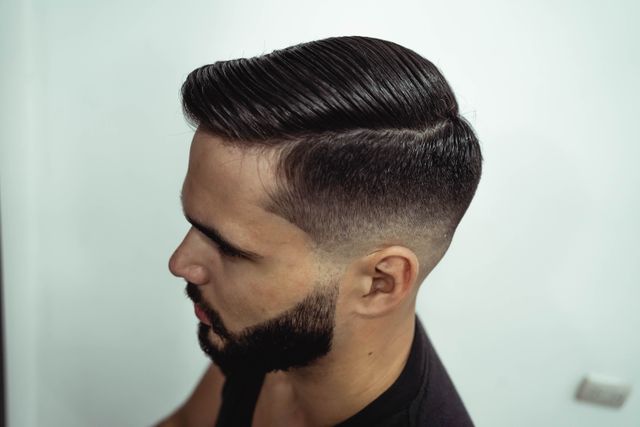
The clean fade is still one of the most requested cuts we do. It looks sharp, reads professional, and asks almost nothing of you day to day. We taper the sides gradually into a bit more length up top, so the line stays crisp even when the wind picks up on the back nine.
The Side Part: Timeless Elegance with Sophistication
Want something a touch more refined? Go with the side part. It sits nicely with a polo or a collared shirt, and it carries over well – it looks as at home at the 19th hole as it does back at the office Monday morning.
The Textured Crop: Modern Appeal with Easy Styling
If you like a little more movement, the textured crop is hard to beat. We layer the top so it falls with some intentional mess rather than lying flat. It’s one of our go-to golf-friendly hairstyles for men who want easy upkeep without sacrificing style – and it survives a few hours under a cap without looking wrecked.
Hairstyles for Scottsdale’s Desert Heat
Summers here don’t forgive much. When someone tells us they’re spending a full day on the course, heat is the first thing we think about before we pick up the clippers.
Short Buzz Cuts: Keep Cool While Maintaining a Polished Look
For guys who put comfort first, the buzz cut wins every time. Short buzz cuts keep hair off your neck and scalp, so you stay cooler through a long round. And low-maintenance doesn’t mean careless – done right, a buzz still looks sharp and deliberate.
Slicked Back Look: Works Well in Dry Climate Conditions
Here’s a nice surprise: Scottsdale’s dry heat is actually kind to the slicked-back look. It holds its shape far better here than it would somewhere humid. Give us the right pomade, and we’ll get you a sleek finish that lasts a full round with no touch-ups – exactly the kind of result you’d expect from a premium barber experience in Old Town Scottsdale.
Textured Undercut: Balances Style with Practicality for Heat Management
The textured undercut splits the difference nicely. Short sides for airflow, enough length on top for texture and movement. If you want something stylish that also keeps you cooler, this is a smart pick.
Trendy Options for the Fashion-Forward Golfer
Some guys want to turn a few heads out there, and we’re happy to play along. If you’re up for something bolder, here’s where we’d start.
The Mid-Length Taper: Versatile and Contemporary Styling
We’ve had more and more people asking for the mid-length taper lately. The appeal is flexibility – you can style it a few different ways, whether you’re heading straight to the course or out to dinner after. We taper the sides and keep enough length up top to work with.
Messy Quiff: Casual Confidence with Modern Edge
For a looser, easygoing look, the messy quiff does the trick. We build texture and volume at the front so it reads lived-in but current. It’s one of those cute hairstyles for golf that looks effortless without trying too hard, and it goes especially well with a relaxed golf fit.
Bleached Blonde Tips: Bold Statement for Adventurous Golfers
Now and then, someone walks in ready to make a statement, and bleached blonde tips deliver. We take our time with the coloring to keep your hair healthy while getting that striking contrast that catches the eye on the green.
Frequently Asked Questions
How often should I get a haircut before a golf trip?
Book it three to five days out. That gives the cut time to settle so it looks fresh rather than obviously just-trimmed.
What hairstyle works best under a golf hat?
Shorter cuts like buzz cuts and fades handle hats best. They shrug off hat hair and hold their shape all round long.
Can you recommend products for managing hair in Scottsdale’s heat?
We usually point people toward lightweight pomades or matte clays. They give you hold without the heavy, weighed-down feel – which matters a lot in our dry, hot climate.
Ready for Your Scottsdale Golf Weekend?
The right cut really does change how you look and feel across a whole Scottsdale golf weekend. We’d be glad to help you land on something that fits your game, your style, and the weather out here. Swing by the shop before your next tee time, and we’ll get you looking your best while you play your best.
Dru Meskan is the owner and master barber at First & Mane in Scottsdale, Arizona. With 19 years of haircutting experience, including 11 years as a professional barber, Dru is known for precision cuts, modern grooming techniques, and personalized service that keeps clients looking and feeling their best.
Fine or thinning hair isn’t a limitation. It just means you need to know which cuts will actually pull their weight for you. At our Scottsdale salon, First & Mane, guys come in every day wanting more volume, better coverage, or honestly just a change that suits the hair they’ve got. Here’s a rundown of the cuts we reach for most and why they do the job!
Understanding Fine and Thinning Hair
What Makes Fine Hair Different From Thinning Hair
These two get lumped together all the time, but they’re not the same thing. Fine hair is about the width of each strand. The strands themselves are narrow, so the hair feels light and can be tricky to style. Thinning is a density issue. You simply have fewer strands per square inch of scalp. Plenty of guys deal with both at once, though not always. Figuring out which one you’re working with is where we start – because when it comes to haircuts for fine hair Scottsdale men need, it changes everything that comes after.
Common Causes and How They Shape the Right Haircut Choice
Hair gets finer or thinner for all sorts of reasons: age, genetics, hormones, gaps in your diet, or years of product buildup and heat doing their damage. And each cause shows up differently. Hormonal thinning tends to settle around the crown. Damage from styling, on the other hand, usually lives in the lengths and ends. So knowing the root cause – literally the root – tells us a lot before we ever pick up the scissors. It’s precisely the kind of detail that makes a difference when you’re working with an experienced hair stylist for thin hair in Scottsdale.
Best Haircuts for Fine Hair
Why Crops and Short Textured Cuts Create Instant Volume
Take away length, and you take away weight. Once that weight is gone, fine hair lifts at the roots on its own. A textured crop or a closely cut style ranks among the best haircuts for fine and thinning hair in Scottsdale – and one of the fastest routes to fullness we know. You won’t need a shelf full of product to keep it there. Bonus: shorter cuts skip that flat, heavy look longer fine hair tends to slump into by mid-afternoon.
How Layered Cuts Add Dimension and Movement to Fine Hair
Layers, done right, pull out bulk in a controlled way and give the hair somewhere to move. That movement reads as depth. The catch is restraint. Over-layer fine hair, and it starts to look wispier, not fuller. But a few well-placed layers through the top can change the whole way your hair sits and frames your face.
Using Texture and a Defined Line-Up to Your Advantage
Texture does something clever for men with fine hair. It sends the eye toward the style rather than the scalp. Pair that with a clean, defined line-up – sharp edges, minimal blending at the hairline – and you get a strong visual frame that reads as thick, full hair. A precise line-up is one of the things clients ask us for most, and the reason is simple: the payoff is immediate.
Best Haircuts for Thinning Hair
Textured Crops and Short Fades for Men With Thinning Hair
For the guys losing a little at the crown or temples, a textured crop or a skin fade is usually the smart call. A fade blends those thinner spots right into the rest, so there’s no hard line to give anything away. Add a textured crop up top, and the movement fakes density beautifully. That contrast between short sides and a styled top? It pulls the eye up, away from wherever you’d rather it didn’t go. It’s one of the reasons so many men seek out professional barber services in Scottsdale to get this kind of precision work done right.
Medium-Length Cuts With Strategic Layers for Versatility
For guys who want a little more length, a medium cut sitting just above the collar hits a sweet spot – long enough to style in a few different ways, short enough to hold its shape and body. We build in internal layers to lift the hair away from the scalp so it moves well and doesn’t just sit flat.
Long Layers That Protect Volume at the Roots
Not everyone wants to lose length, and that’s fine. Long layers are the workaround. We keep the weight up at the root and only thin things out toward the ends, which protects fullness exactly where you need it. It’s especially good for diffuse thinning – the kind that’s spread out rather than parked in one spot. And if you’re looking to add a little more body in the meantime, you will also find clip-in hair extensions for fine or thin hair in Scottsdale as a versatile, no-commitment option.
Side-Parted Styles That Maximize Natural Coverage
Sometimes the fix is as basic as moving your part. A deep side part shifts hair across the scalp instead of splitting it down the middle, and that alone builds coverage and a bit of volume through the crown. Put it with the right cut, and the difference is real.
What Haircuts Should Men With Thinning Hair Avoid?
Long, one-length cuts are the main one – they drag hair flat and put thin areas on display. We’d also steer you away from heavy, blunt ends with no internal layering or texture. That look tends to fall limp rather than full.
Can The Right Haircut Really Make Thinning Hair Less Noticeable?
It really can! A cut won’t change your actual density, but it absolutely changes how your hair looks. Shape, length, layering – all of it affects how light hits your hair and how much scalp shows through.
Ready to Find Your Best Cut in Scottsdale?
Fine and thinning hair does great things with the right approach, and figuring out that approach is something we’ve had a lot of practice at. Big change or a subtle refresh, our Scottsdale stylist for fine hair will help you land on a style that works with your hair rather than fighting it. Book an appointment and come see us at First & Mane – we’ll sort out the cut that suits you!
Dru Meskan is the owner and master barber at First & Mane in Scottsdale, Arizona. With 19 years of haircutting experience, including 11 years as a professional barber, Dru is known for precision cuts, modern grooming techniques, and personalized service that keeps clients looking and feeling their best.
Scottsdale’s art scene has a personality all its own. You’ve got the gallery-lined streets of the Scottsdale ArtWalk, the busy venues downtown, and a mix of style and creativity you won’t find in many other Southwestern cities. When you head out to one of these events, your outfit gets some thought – so why not your beard?
We’ve spent years in our Scottsdale barbershop helping guys land a look that fits the night. Sharp enough for a gallery opening, easy enough for a rooftop bar. Maybe you never miss a Thursday ArtWalk. Maybe you’re just starting to poke around downtown. Either way, here are six beard styles to think about before you go out. Why not book an appointment with First & Mane today?
Classic Beard Styles That Hold Up at Formal Art Events
The Full Beard
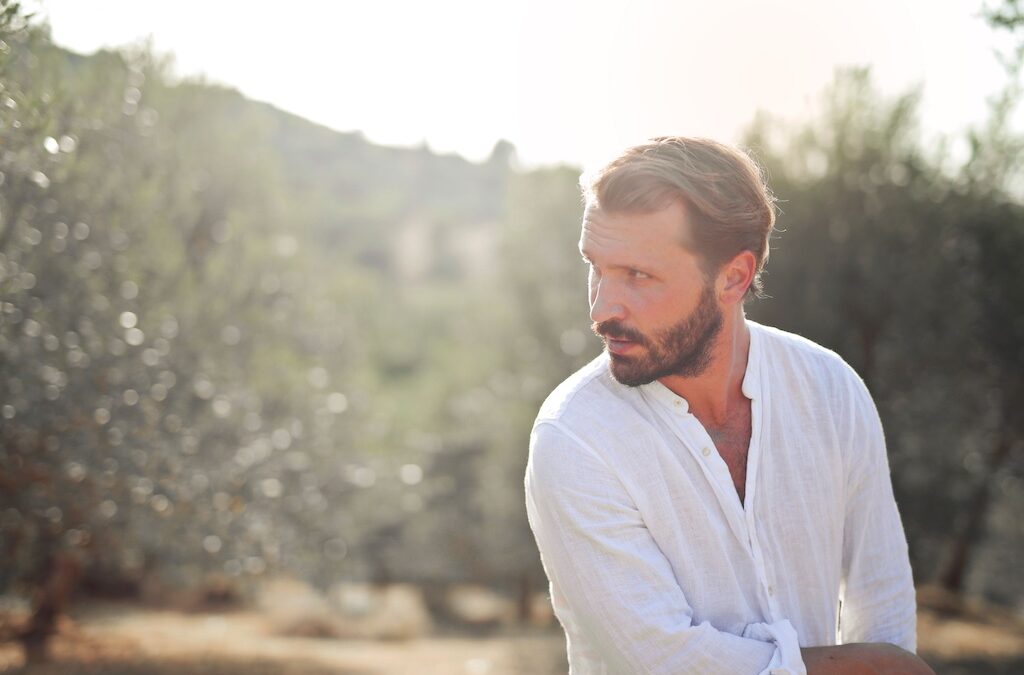
The full beard sticks around for a reason. Shaped well and kept in check, it reads as confident and grown-up – which plays nicely in Scottsdale’s more polished art spaces. The trick is clean lines and controlled length. A tidy full beard tells people you made an effort, and that counts when the room is full of collectors, curators, and creatives who notice small things. Book a trim and shape – or ask about our beard lineup services – before any formal event so yours looks its best.
The Designer Stubble
Designer stubble is one of the most flexible looks we do. It lands right between clean-shaven and a short beard, so you come off polished without seeming like you’re trying too hard. For semi-formal nights or a casual gallery stop, it hits the mark. Keep the length even – somewhere between 1mm and 3mm – and keep the cheek and neck edges clean. Ignore it for too long, and stubble slides from “intentional” straight into “did he forget?”
The Van Dyke
A Van Dyke pairs a pointed goatee with a mustache that stays separate from the chin. The look goes back to 17th-century portraits, and it still carries that artistic streak today. It’s a bold pick, but it belongs at something like the ArtWalk Scottsdale AZ scene, where showing a little personality is half the point. Precision matters here – the gap between mustache and chin beard has to look deliberate. We shape Van Dykes all the time and can help you dial in proportions that suit your face.
Trendy Beard Styles for Downtown Scottsdale Venues
The Fade Beard
The fade beard has blown up over the last few years, and once you see one done right, you get it. The beard tapers gradually into the skin along the cheeks and sideburns, giving you a smooth, sculpted edge that sits well with modern clothes. Cocktail bars, rooftop spots, live music venues – these are exactly the places it belongs. It also photographs really well, which helps if you tend to document your nights out.
The Ducktail Beard
The ducktail takes its name from that tapered point at the chin, which gives the whole beard a sense of direction. It runs longer than a standard full beard but stays more shaped, so you get some drama without going overboard. For downtown Scottsdale events where standing out is kind of the goal, it’s a strong choice. You’ll need length to shape it properly, so if you’re starting from bare skin, give it four to six weeks of growth before you come in.
The Anchor Beard
The anchor follows the jawline and connects to a shaped goatee, and the outline it forms looks – yep – a bit like a ship’s anchor. It sits somewhere between the sharpness of a Van Dyke and the fullness of a regular goatee. If you want something defined that isn’t too casual and isn’t too corporate, this one delivers. It’s great for smart-casual downtown crowds who appreciate a little creativity in the grooming department.
Frequently Asked Questions
How Often Should I Get My Beard Trimmed Before Regular Events?
For most styles, every two to three weeks does the job. If you hit the ArtWalk monthly or have standing downtown plans, work a trim into your routine ahead of time, and you’ll always be ready.
Which Beard Style Works If I Go To Both Formal And Casual Events?
Designer stubble. It moves between settings without much fuss, so it’s a safe bet for anyone with a mixed social calendar.
A good beard style takes the right cut, the right shape, and someone who knows the difference. Our team at First & Mane handles men’s grooming for every kind of night – easygoing ArtWalk evenings and Scottsdale’s dressier downtown events alike. We’ve even had clients visiting from events in downtown Denver make a stop before heading back, which tells you something. Book online or give us a call, and let’s get you sorted before your next one!
Dru Meskan is the owner and master barber at First & Mane in Scottsdale, Arizona. With 19 years of haircutting experience, including 11 years as a professional barber, Dru is known for precision cuts, modern grooming techniques, and personalized service that keeps clients looking and feeling their best.
Something is changing in Scottsdale, and it has less to do with a sharper fade than you might think. The men who used to book a haircut on their lunch break are now setting aside real time for grooming that pairs skilled barbering with the kind of downtime you’d normally look for at a spa. If you’ve been searching for Scottsdale men’s grooming services near me, what you’ll find today looks very different from even a few years ago. We’ve watched it unfold at First & Mane, and it says a lot about how men here have started thinking about taking care of themselves.
Below, we’ll get into what’s fueling the rise of luxury men’s grooming in Scottsdale, what clients actually expect these days, and how places like ours are rising to meet it!
How Scottsdale Became a Hub for Premium Men’s Grooming
Premium Barbershops and Grooming Lounges Are Opening at Record Rates
Scottsdale has never shied away from a little luxury. Between the resort living, the golf, and the dining scene, high standards are baked into the place. Grooming was always going to follow. Over the last several years, premium barbershops and grooming lounges have popped up all over the city, from Old Town to the far north edges.
These spots don’t resemble the barbershop your grandfather sat in. Everything is considered, right down to the chair you settle into. And the demand behind it is genuine. Fewer men are willing to accept a rushed, in-and-out haircut. They want the room to feel as put-together as the rest of their lives.
Specialized Treatments Are Now an Expected Part of the Menu
Here’s what really stands out about the shift: the menu has grown well past the haircut. A trim used to be the whole visit. Now it’s often just the opening act.
We offer treatments that reach well beyond a cut and shave:
Men’s facials built for Scottsdale’s dry desert climate
Scalp treatments that support healthier hair over time
None of this is a fringe add-on anymore. Luxury men’s grooming has moved squarely into the mainstream, and for plenty of our clients, these services have simply become part of the routine.
High-End Products and Personalized Consultations Are Becoming the Standard
So we’ve made the personalized consultation a starting point rather than an afterthought. Every new client gets a proper assessment before we suggest a single product or service. We also stock a tight, curated selection of luxury men’s grooming products we actually use and trust because good grooming shouldn’t fall apart the moment you leave the chair.
What Sets a Luxury Grooming Experience Apart From the Rest
Spa-Like Atmospheres and Exclusive Amenities Create a Different Kind of Visit
The room matters more than people expect. Walking into a good grooming lounge should feel like stepping out of the day for a while. We built our space with that in mind: soft lighting, quality materials, a drink if you want one, and a pace that doesn’t feel like you’re being hurried out the door.
The small stuff adds up. A hot towel timed just right. A scalp massage folded into the shampoo. An hour where your phone can honestly stay in your pocket. Those are the moments clients tell us about, and the reason they come back.
Expert Grooming Professionals Bring Specialized Knowledge That Justifies Premium Pricing
Behind any great visit is someone who’s spent years getting good at this. Our team knows technique, sure, but they also read facial structure, understand skin conditions, and know how different hair behaves. That kind of knowledge earns its price, and our clients feel the difference. We’ll even recommend men’s luxury grooming products so you can look after yourself between appointments.
Frequently Asked Questions
What Services Are Typically Included In A Luxury Men’s Grooming Experience?
Luxury grooming reaches well past a standard haircut. Most high-end spots offer precision cuts, straight razor shaves, men’s facials, scalp treatments, beard conditioning, and product consultations. Many throw in extras too, like hot towels, beverages, and longer consultations shaped around you. You can expect all of the above at First & Mane!
How Much Does A Luxury Grooming Experience Cost In Scottsdale?
Ultimately, this depends on where you go and the type of services you need. For example, you might look for beard grooming services as well as massages and hair care. Perhaps you want advice on a luxury men’s grooming kit to get you set up at home. Feel free to look through our services and book an appointment today!
Is Luxury Men’s Grooming Worth The Investment Compared To A Standard Barbershop?
For anyone who cares about quality and a genuinely personal experience, yes. The difference isn’t only in the skill of the barber. It’s the room, the products, and the time taken to actually understand what you need. Plenty of our clients tell us that showing up regularly has done real things for both their look and their confidence.
Experience the Standard Scottsdale Men Deserve
The growth of luxury grooming in Scottsdale points to a bigger change in how men see self-care: less an indulgence, more a smart investment in how they show up. We’re glad to be part of that, and we’re set on giving you an experience worth keeping in your routine.
If you’re ready for something better, we’d love to have you in. Book your first appointment and see what real grooming actually feels like!
Dru Meskan is the owner and master barber at First & Mane in Scottsdale, Arizona. With 19 years of haircutting experience, including 11 years as a professional barber, Dru is known for precision cuts, modern grooming techniques, and personalized service that keeps clients looking and feeling their best.