Jan 29, 2025 | Beard Styles
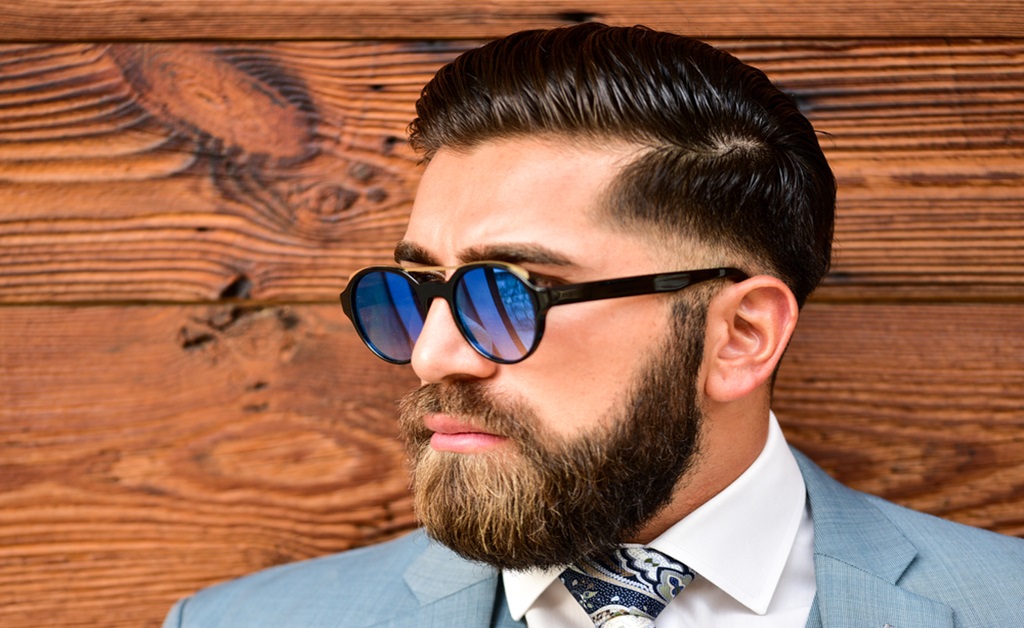
When it comes to grooming and enhancing your appearance, your beard can be a game-changer. For individuals with round faces, the right beard styles for a round face can add definition, create angles, and elevate overall style. Understanding how different beard styles interact with round faces is essential to achieving a more balanced and appealing look.
This guide explores full beard styles for round faces, designed to complement your style. From considering the growth pattern of your facial hair to finding the style of beard for a round face that matches your personality, we’ve got every angle covered (pun intended).
Key Elements to Consider for Round Faces
Before you pick a beard style, knowing the characteristics of a round face is a helpful step. Typically, a round face features soft curves, an even width and length, and little natural angularity. The goal when selecting a beard for a round face is to create structure—especially at the jawline and chin—while elongating the overall appearance of the face.
Face Shape: Your aim here is to offset the roundness with a style that sharpens and defines your facial edges. Beard styles should avoid adding bulk to the cheeks, as this will further emphasize roundness.
Hair Growth Pattern: Utilize your natural hair growth to your advantage. Full beards require a certain amount of coverage, so ensure that your preferred style matches how your facial hair grows. Patchy growth can sometimes be disguised with clever grooming or complemented by shorter styles.
Personal Style: A well-maintained beard is only part of the equation. Your chosen style should resonate with your personality while seamlessly integrating into your wardrobe and overall image.
Top Full Beard Styles Perfect for Round Faces
1. The Boxed Beard
A classic, neat option and perfectly suited for round faces, the boxed beard works by creating sharp, clean lines. Trimmed higher on the cheeks and narrower along the jawline, this style emphasizes structure while keeping things polished and professional. The edges outline your face, lending a sophisticated shape that offsets roundness and draws attention toward the chin.
2. The Extended Goatee
For those seeking a middle ground between rugged and refined, the extended goatee design offers a balanced look. This beard focuses primarily on the chin, helping elongate the face while maintaining a cohesive appearance with your facial features. Pair this with a mustache and connected sideburns to create a unified and slimming visual effect.
3. The Verdi Style
A bold take on the full beard, the Verdi style adds a hint of flair while keeping things elegant. It features a medium-length, well-rounded beard paired with a styled mustache. For individuals with rounder faces, the longer point at the chin is especially flattering, as it helps elongate the overall profile of your face. With this style, you’ll want to keep the sideburns minimal to prevent adding unnecessary width.
4. The Balbo Beard
The Balbo beard is ideal for creating a sleeker appearance. With its distinct and separate patches—featuring a disconnected mustache and chin beard—it’s both modern and eye-catching. This style minimizes cheek coverage, creating a contour effect that brings a touch of striking angularity to round-faced individuals.
5. The Ducktail Beard
For those who prefer a rugged yet polished vibe, the ducktail beard is unbeatable. This style gradually tapers to a point at the chin, much like the tail of a duck—a feature that elongates the face while strengthening the jawline. Paired with minimal cheek coverage, the ducktail beard strikes a refined balance between edgy and sophisticated, making it a go-to option for a wide range of personal styles.
Refine Your Look with the Right Style
Choosing the best beard shape for a round face is all about achieving balance and enhancing your natural features. Knowing your face shape, understanding your hair growth pattern, and choosing a style that suits your personality will ensure you put your best look forward. And while you’re at it, don’t forget to read tips on hair care to keep your beard healthy and well-groomed. The right beard shape for a round face can make all the difference in defining your style and boosting your confidence.
Dru Meskan is the owner and master barber at First & Mane in Scottsdale, Arizona. With 19 years of haircutting experience, including 11 years as a professional barber, Dru is known for precision cuts, modern grooming techniques, and personalized service that keeps clients looking and feeling their best.
Jan 2, 2025 | Barber FAQs, Beard Grooming, Beard Maintenance
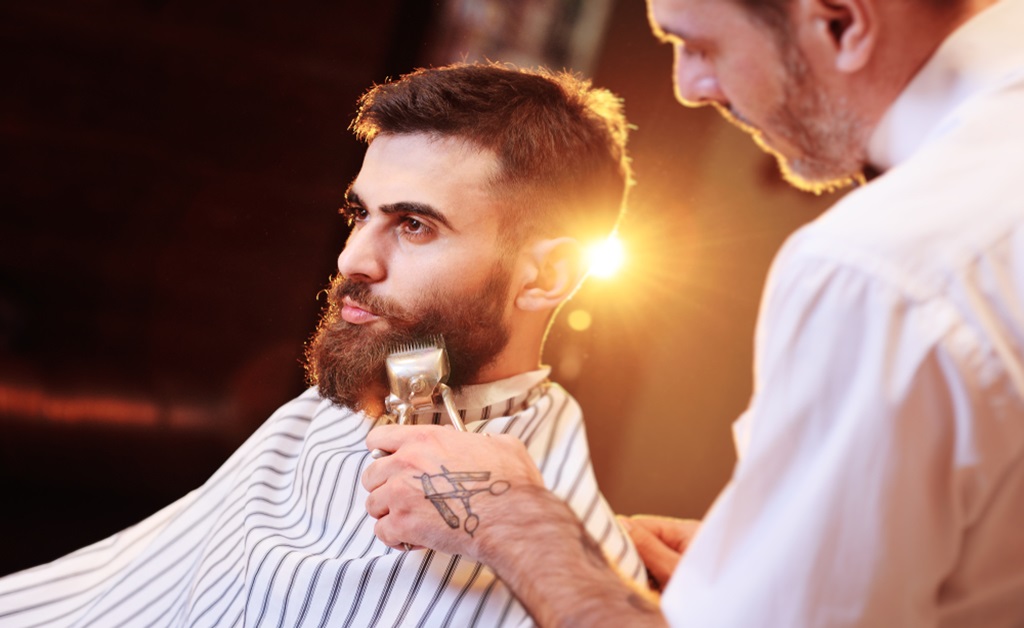
Beards serve as more than threads adorning a man’s visage—they embody masculinity, define style, and display personality. Yet, a recurring query continues to incite discussions within the confines of barbershops and the infinite realm of online forums: does shaving make a beard grow faster?
Influences on the Progression of Your Beard
To evaluate if shaving holds sway over the pace of your beard’s growth, it’s pivotal to discern the variables that mold your facial hair’s growth dynamics. The progression of your beard hinges prominently on three keystones—your lifestyle, genetic makeup, and grooming customs.
Your Lifestyle and Its Impact on Your Beard
Your body’s treatment profoundly influences the vitality of your facial hair. A combination of balanced nutrition, ample rest, and a consistent exercise routine can precipitate the perfect environment for beard growth. A diet teeming with vitamins such as biotin, zinc, and vitamin D bolsters robust, healthy hair follicles. Moreover, containing stress levels can be beneficial, as chronic stress has demonstrated links with hair loss.
The Genetic Blueprint of Your Beard
Predominantly, your genetic code architects your beard’s growth trajectory. Some men inherit the ability to sprout thick, lush beards, while others grapple with uneven or tardy facial hair growth. Aspects like age, ethnicity, and hormone levels, particularly testosterone and dihydrotestosterone (DHT), are instrumental in shaping your beard’s evolution over time.
Grooming Rituals and Their Role in Beard Maintenance
Although grooming doesn’t turbocharge beard growth, fostering wholesome practices can enhance the aesthetic appeal of your facial hair. The employment of top-notch beard oils, balms, and shampoos ensures your beard hair retains moisture, and the skin beneath remains healthy. Regular exfoliation bolsters circulation and sheds dead cells, potentially paving the way for fresh hair growth. Nonetheless, ‘does shaving stimulate beard growth?’ garners mixed opinions.
The Debatable Aspect of Shaving
Shaving has been the pivot of beard growth theories for generations. A prevalent belief exists that brandishing a razor encourages facial hair to regrow more densely, darker, or at a faster pace. However, this assertion lacks corroborative scientific validation. Does shaving make your beard grow faster?
The Science Behind Shaving Demystified
The presumption that shaving triggers facial hair growth probably originates from hair’s visual impression post-shaving. Shaving trims the hair at the skin’s surface, severing the thinner ends of the hair strand. As the new hair sprouts, it may seem more voluminous or coarser as the blunt tip is now visible. Nonetheless, this is a fleeting optical illusion. Shaving doesn’t restructure or hasten the growth of hair beneath the surface. So, does shaving your beard make it grow faster? The answer is no.
Post-Shaving Phenomenon
While shaving doesn’t bolster growth, frequent shaving can shape the way your beard looks over time. Regularly eliminating uneven patches or trimming stray hairs crafts a tidier, uniform look. Although the actual growth pace remains static, this can lend the illusion of a denser, rapidly growing beard. Shaving can also aid in skin exfoliation, preventing the accumulation of dead skin cells that could clog your follicles.
The Real Pathway to Fuller Growth
If enhancing beard growth is your ambition, shaving isn’t the solution. Instead, focus on enriching your beard from the inside out. Uphold a nutritious diet, a stable grooming routine, and consider supplements beneficial for hair health. Patience plays a pivotal role—it requires time for beards to actualize their maximum potential.
If you’re contending with patchy growth or want to probe medical alternatives, seeking a dermatologist’s advice might yield customized solutions like topical treatments or hormone therapies. Utilizing our barbershop services can also help maintain your beard’s appearance while you focus on growth.
The concept that shaving accelerates beard growth is merely a myth steeped in misconceptions. Genetics, lifestyle, and grooming rituals predetermine beard growth – not shaving frequency. Regular trimming can help achieve a neater, fuller appearance, but it doesn’t miraculously expedite beard growth. So, does shaving promote beard growth? Does shaving more increase beard growth? No—it’s all about care, patience, and genetics.
Dru Meskan is the owner and master barber at First & Mane in Scottsdale, Arizona. With 19 years of haircutting experience, including 11 years as a professional barber, Dru is known for precision cuts, modern grooming techniques, and personalized service that keeps clients looking and feeling their best.
Dec 16, 2024 | Beard Grooming, Beard Trim Guides
Growing a beard is like raising a tiny, furry pet on your face—it’s exciting, but not without its challenges. The biggest questions every beard lover faces: when growing a beard, should I trim it? How do you let it grow wild while still keeping it tamed? Finding the sweet spot between rugged and well-groomed isn’t just about looking good; it’s about keeping your beard healthy and happy too.
The Early Stages: Keeping It Neat While Growing
The first few weeks of beard-growing are like a bad haircut—awkward, but necessary. So, how long to grow a beard before giving up? Patience is your best friend here, but who says you have to look like you just crawled out of the woods? Small but consistent grooming habits are essential. Use a quality comb or brush to train your beard to grow in a downward, uniform direction. This is also the time to define your neckline with a trimmer.
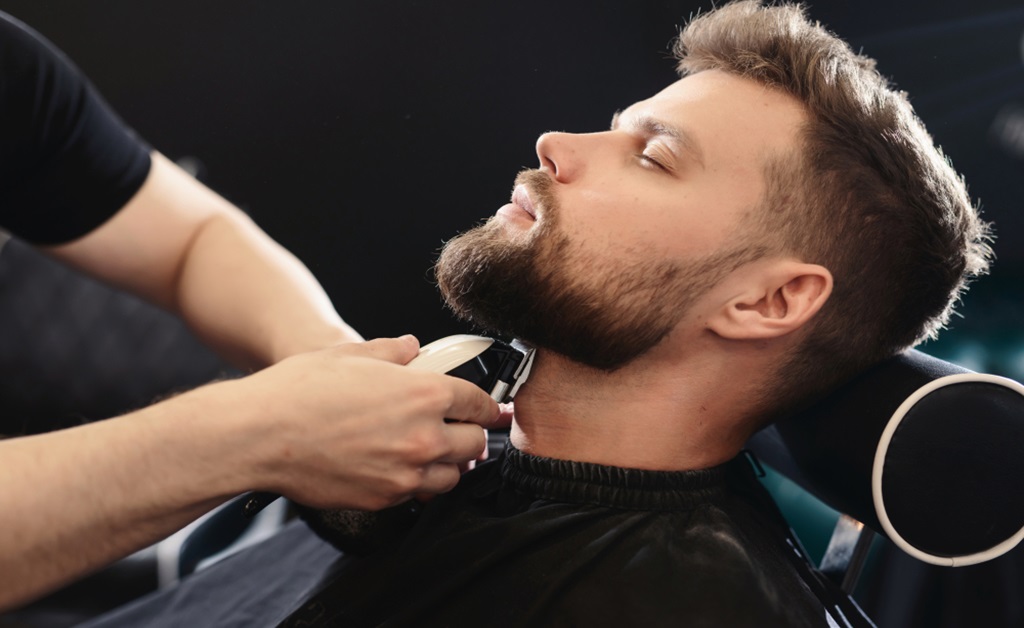
When trimming the neckline, make sure to work just above your Adam’s apple. This creates a natural, clean edge without cutting into the beard itself. A neat neckline helps frame your face and keeps you looking intentional about your beard, while allowing the rest of it to grow in naturally. Similarly, shaving stray hairs on your cheeks can help avoid a scruffy appearance. You aren’t shaping the beard quite yet—just giving it some boundaries to grow into. If you’re unsure, consider exploring men’s grooming services in Scottsdale, AZ, for professional advice.
Midway Through: Trimming for Uniform Growth
After about a month, you’ll start seeing significant progress. But knowing how long to grow a beard before trimming is difficult. Around this time, uneven growth and patchiness are most noticeable. Don’t panic—this phase is completely normal. Regular trimming becomes your best friend here.
Say goodbye to split ends and rogue strands without sacrificing that perfect length you’re chasing. The secret? A top-notch trimmer with adjustable guards. Start with the longest guard to test the waters—think of it as a cautious first date with your hair—and then trim down gradually. Slow and steady wins the hair game. This ensures you don’t accidentally take off too much.
Symmetry is key during this period. Pay close attention to how your beard looks from all angles. Holding a second mirror, or even snapping a quick photo, can help you spot areas that need adjustment. This phase is all about trimming a beard while growing it out to maintain balance and encourage uniform growth. Remember, the goal isn’t perfection—it’s to keep things neat and healthy until the beard fully fills in.
Advanced Grooming for Full Beards
Think growing your beard to the perfect length was the hard part? Think again. How long to grow a full beard often depends on the individual, but keeping it sharp takes ongoing effort—unless you’re going for the “lost in the woods” vibe.
Shape and structure are your top priorities at this stage. Start by defining the cheek and neckline with precision. These edges provide a polished, clean appearance, leaving the rest of your beard to carry the volume. Use scissors rather than a trimmer for larger beards. Scissors give more control, allowing you to snip away stray hairs without risking a misstep.
Now’s also the time to consider layering. A beard that’s all one length can look bushy, while a slight taper gives it a more elegant shape. Trim closer to the neck and leave more length along the jawline. This method is key when mastering the art of growing and trimming a beard. Beard oil and a boar bristle brush are your go-to tools for keeping your beard smooth, moisturized, and tangle-free—because even your beard deserves some TLC.
For thicker, coarser beards, beard balm is like hair gel for your face. It tames unruly strands and keeps even the wildest beards in check. Perfect for those working on how long to grow a long beard and looking to keep it under control.
Make Growing Look Good
Growing a beard doesn’t mean letting your face go rogue. Master the art of how to trim a beard while growing it out, and you’ll have the best of both worlds—a beard that’s bold yet beautifully tamed. Stick to your grooming game, grab the right tools (no, kitchen scissors don’t count), and most importantly, channel your inner zen. Great beards aren’t grown in a day, but with patience and care, yours can become the ultimate expression of your style—and maybe even a little envy-inducing.
Dru Meskan is the owner and master barber at First & Mane in Scottsdale, Arizona. With 19 years of haircutting experience, including 11 years as a professional barber, Dru is known for precision cuts, modern grooming techniques, and personalized service that keeps clients looking and feeling their best.
Nov 9, 2024 | Beard Grooming, Beard Trim Guides
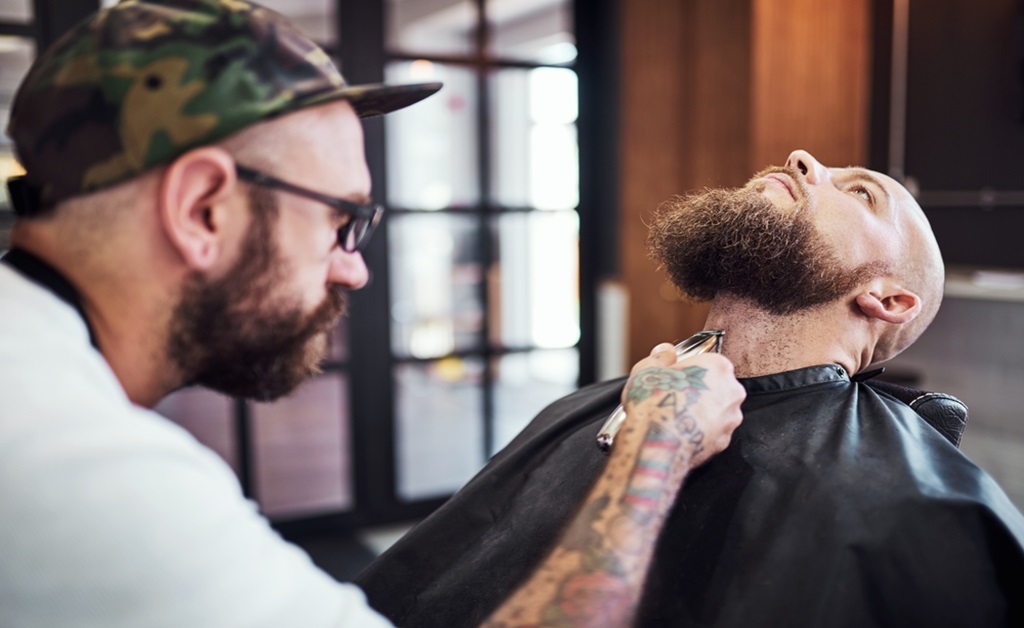
Ever glanced at your reflection, contemplating if your beloved beard demands a trim? Fear not, you are not alone in this bearded brigade. For the beard aficionados, grooming surpasses a simple routine; it transforms into an art, a proclamation, and occasionally, a sacred ritual. A meticulously maintained beard doesn’t just amplify your charm; it narrates tales of your style and persona.
The Grooming Game
Beard grooming transcends the realm of suave looks—it’s about exuding confidence and collecting admiring glances. An unkempt, uneven beard can depict a casual attitude, while a properly trimmed one emanates sophistication and meticulousness. Grooming influences not only your appeal but also your cutaneous health. Regular trims exterminate split ends, promoting healthier growth, thus imparting you the coveted lumberjack look or the sleek corporate guise, depending on your grooming aspirations. Wondering how often to trim a beard for that perfect look? Let’s explore.
The Trimming Conundrum: To Trim or Not to Trim?
The response relies on specific determinants. Firstly, ponder over the length of your beard–is it a hint of stubble or a full-blown work of art? Longer beards might demand frequent upkeep for retaining shape and neatness. Next, reflect on your growth speed – some fortunate folks sprout whiskers overnight, while others embark on a leisurely journey to voluminous beards. Finally, your grooming goals assume a crucial role. Are you aiming for a rugged outlook or a polished finish? Each objective prescribes its unique trimming timeline. So, how often should you trim your beard? It depends on these factors. If you’re still unsure when to trim a beard, ask your barber during your next visit.
Traverse the Trimming Timelines: Based on Beard Length
The Stubble Story
Possessing stubble? Trimming every couple of days is your pathway to maintaining an intentional, not accidental, look. This practice keeps the boundaries defined and wards off the dreaded “patchy” aspect. Stubble might be short, but it necessitates as much attention as a full-fledged beard. Frequent trimming can mitigate skin irritation brought on by irregular growth, providing a smoother, comfier feel. How often should I trim my beard when it’s in the stubble stage? Every couple of days is ideal.
Sojourn of the Short Beard
Short beards, typically spanning from one to two inches, should be trimmed every fortnight. This frequency preserves their shape and helps dodge stray hairs that could render the beard unkempt. Short beards are the Goldilocks of facial hair–neither too short nor too long, but just right. Regular trims help maintain them at this perfect juncture, making them adaptable for every event.
The Mid-Length Magnificence
Navigating the mid-length beard journey? For those boasting a length of 3 to 6 inches, trimming every fortnight to three weeks is recommended. This length demands a subtle balance between tough allure and refined charisma. Periodic trims will ensure a consistent shape, preventing your mid-length marvel from transforming into a wild mane. The key at this length is retaining its natural shape for a neat yet substantial appearance. Wondering when to trim your beard when it’s mid-length? Aim for every two to three weeks.
Full Beard Fable
For the full-beard warriors, trimming every three to four weeks is optimal. Longer beards, without regular maintenance, can become tangled and disobedient. As a testament to patience and dedication, full beards require adequate attention to remain an impressive statement. Regular trims aid in avoiding split ends, ensuring a healthy, vibrant beard. So this answers ‘how often for a beard trim?’ when it’s full.
The Conclusion of the Bearded Ballad
All in all, trimming frequency hinges on your beard’s length, growth speed, and personal grooming goals. Regular upkeep not only boosts your aesthetic but also ensures your beard’s health. Embark on your bearded adventure and let it narrate the tales of your persona. Whether you’re figuring out ‘when should I trim my beard?’ or simply enjoying the grooming journey, keep your beard’s health and style in mind. Consider visiting First & Mane to get your beard trimmed by experts.
Dru Meskan is the owner and master barber at First & Mane in Scottsdale, Arizona. With 19 years of haircutting experience, including 11 years as a professional barber, Dru is known for precision cuts, modern grooming techniques, and personalized service that keeps clients looking and feeling their best.
Oct 24, 2024 | Beard Grooming, Beard Maintenance
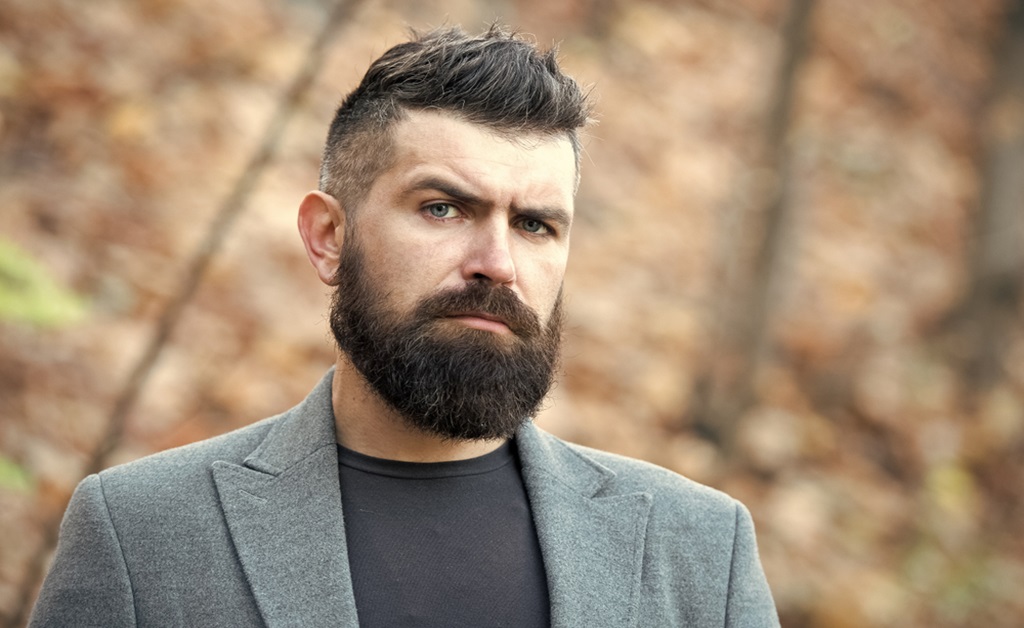
No feature holds as much vintage charm as the mustache. A robust mustache not only amplifies your overall appearance but injects a dash of character. Therefore, we want to uncover the intricacies of mustache cultivation, providing wisdom to novice and connoisseur alike.
Mustache Growth: The Science
Mustache thickness steers by several factors, including heredity, age, and lifestyle. Understanding how to make a mustache thicker involves considering these elements. Your genealogy consults your hair’s density and quality to a great extent. Meanwhile, as age dawns, a thickening trend is usually observed in facial hair. However, lifestyle habits such as diet, sleep, and stress management can substantially dictate how to grow a mustache thicker and its growth pace.
The Genetics of Facial Hair
If your paternal lineage exhibits a luscious mustache, it’s likely that you’ve inherited the potential to grow one. Yet, your efforts count as much as your genes. Nurturing thicker hair demands diligence and routine care, which are part of services available at First and Mane.
Lifestyle: More Than Just A Detail
A robust lifestyle bridges the gap to a fuller mustache. Regular physical activity, a well-rounded diet, and sound sleep amplify your body’s inherent functions, including how to make your mustache thicker. Stress management is key, as escalated stress levels can hinder hair growth and trigger thinning.
Feeding the Mustache: Vital Nutrients
For a healthier and thicker mustache, a diet rich in vitamins and minerals is vital. Vitamins such as A, C, D, E, along with biotin and niacin, boost hair growth. Similarly, minerals like zinc and iron are crucial for sustaining healthy hair follicles, contributing to how to get a thicker mustache.
Enriching the Diet
Incorporate nutrient-dense foods such as leafy greens, nuts, eggs, and fish into your diet. Should dietary intake prove challenging, consider supplements, but ensure prior consultation with a healthcare practitioner for advice on how to grow a thick mustache.
Considering Supplements
Biotin is a favored supplement amongst those seeking enhanced hair thickness. Additionally, Omega-3 fatty acids, often found in fish oil supplements, nourish hair follicles, encouraging sturdy and dense facial hair growth.
Consistent Care is Key
A methodical grooming regimen is crucial for maintaining a robust mustache. Regular cleansing eliminates dirt and oils that may obstruct growth. Conditioning of your mustache ensures it remains soft, thus facilitating easier styling.
Quality Products: An Investment Worth Making
Opt for superior grooming products specifically designed for facial hair. Mustache waxes and oils not only rein in unruly hair but also nourish the same. Avoid products with harsh chemicals to prevent hair damage or skin irritation.
Styling for Sheer Impact
To maintain its shape and fullness, trim periodically. Using a fine-toothed mustache comb, you can guide your hair to grow in the preferred direction, leading to a denser and well-defined appearance.
Busting Mustache Growth Myths
Myth 1: Shaving results in thicker growth. False. Shaving only sections off the visible part of the hair, rendering no effects on its density.
Myth 2: Hair growth products yield instant results. Erroneous. Genuine hair growth demands time. Beware of products claiming immediate changes.
Myth 3: Mustache growth purely depends on genetics. Incorrect. A wholesome approach blending nutrition, grooming, and lifestyle habits significantly props up your mustache growth potential.
Thickening your mustache requires a holistic blend of genetics, the right lifestyle, and dedicated care. With an understanding of facial hair growth factors and committed grooming, your dream of a fuller mustache is achievable. Remember, the mantra is patience and consistency – Rome wasn’t built in a day!
Read Our Other Blog: Top Benefits of Haircuts for Men
Dru Meskan is the owner and master barber at First & Mane in Scottsdale, Arizona. With 19 years of haircutting experience, including 11 years as a professional barber, Dru is known for precision cuts, modern grooming techniques, and personalized service that keeps clients looking and feeling their best.
Oct 17, 2024 | Beard Grooming, Beard Maintenance
A lush, well-groomed beard is not just an outcome of nature’s course, but a testament to a man’s grooming endeavors. Targeting all beard enthusiasts, we aim to guide you in turning your rugged, knotted beard into a soft, touchable masterpiece.
The Riddles of a Rough Beard Unraveled
Why does a beard often feel rough? The answer intertwines with both your genetic composition and environmental factors. Your DNA primarily dictates the texture of your beard hair, whereas the exposure to elements like sun, wind, and pollution can strip your beard of its natural oils, rendering it dry and brittle. Furthermore, the grooming techniques you employ—or lack of them—significantly influence your beard’s texture. What makes beards soft? Proper care and high-quality products contribute significantly to softness.
Your Daily Path to a Softer Beard
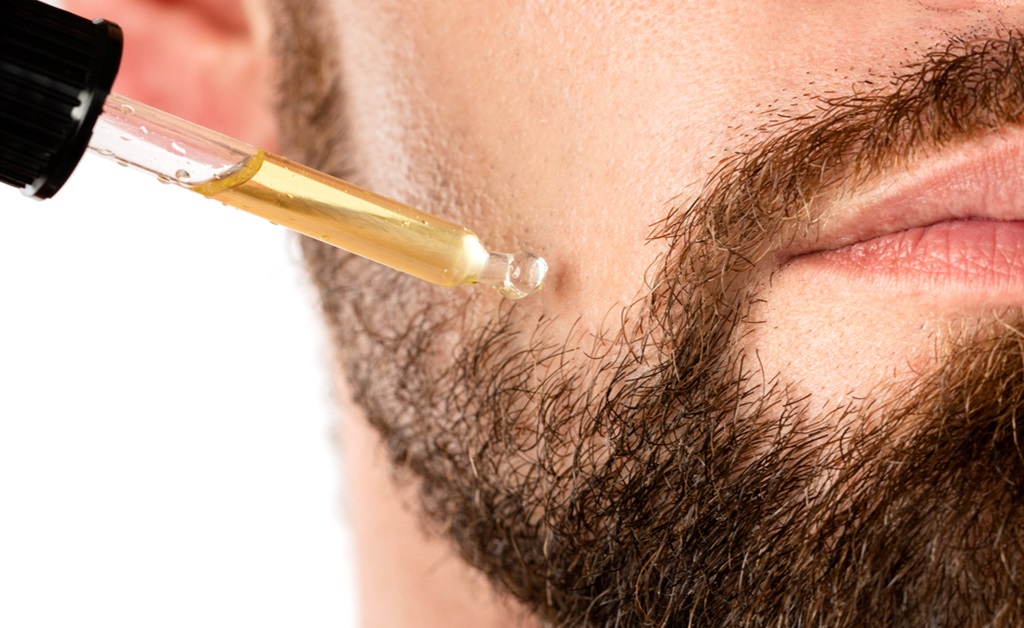
Daily care is tantamount to possessing a softer beard. Begin with a beard-centric shampoo, specifically designed to gently cleanse while conserving essential oils. Complement the washing with a high-quality beard oil to soften and instill hydration/softness. Regular trimming must never be ignored; it averts split ends and maintains a tidy, healthy look.
The Might of Conditioning and Hydration
Conditioning your beard is equally paramount as washing it. Integrate a leave-in conditioner or a beard balm into your routine for an extra dose of moisture and defense. Consistent hydration, supplemented by a balanced diet rich in omega-3 fatty acids promotes hair health dramatically. Learning how to get a softer beard is all about maintaining the right level of moisture and nourishment.
Brushing and Beard Upkeep
Invest in a top-notch beard brush for maintaining a smooth beard. Daily brushing evenly distributes natural oils and prevents tangles. Opt for brushes with natural bristles — gentle on your skin and hair — to encourage consistent growth direction and to reduce roughness.
Choosing Superior Beard Products
Be attentive when selecting beard products. Look for natural ingredients like jojoba oil, argan oil, and shea butter, renowned for their nourishing and smoothing properties. Refrain from using products with sulfates and alcohol that can dry out your beard, leading to increased roughness. How do you soften beard hair? Opt for products that hydrate and nourish.
The Influence of Diet and Supplements
A healthy diet is the foundation of a healthy beard. Incorporate nutrients like vitamins B5, C, and E, biotin, and zinc that are crucial for hair strength and shine. If needed, dietary supplements can boost your intake, but always consult a healthcare provider before starting any new supplement regime.
Stress, Sleep and Their Effects on Beard Health
Stress and inadequate sleep can adversely impact your beard’s texture. Stress management techniques like exercising and meditation can aid your mental health and beard health alike. Similarly, adequate sleep permits your body to restore and renew, contributing positively to your facial hair. Knowing how to keep the beard soft involves ensuring you manage stress and get enough sleep.
Having Patience With Your Beard
The journey to a smooth beard demands time and patience. Hair growth rates differ, and changes in texture aren’t instantaneous. Persevere with your grooming routine and celebrate small milestones like decreased tangles or increased softness. Expert barber tips can provide insights into maintaining patience and seeing gradual progress.
Seek professional advice if you’re uncertain about your method. A professional barber can provide personalized guidance and assistance to keep your beard in prime condition and advice on maintaining smoothness at home.
The Celebration of Your Beard Journey
Every beard narrates a unique story. Whether you’re a novice in the beard-growing adventure or have been nurturing a magnificent mane for years, enjoy the process and commemorate your beard’s uniqueness. Engage with the beard community to exchange tips, learn, and evolve in your beard care practices.
A smooth beard is the combination of suitable care, fitting products, and a sprinkle of patience. By adhering to these tips and maintaining consistency, you’ll soon observe a transformation in your beard’s appearance and the confidence it instills in you. For a personalized touch, consider reaching out to a grooming expert who can offer advice tailored to your specific needs. Here’s to a happy grooming journey, and may your beard always be smooth!
Dru Meskan is the owner and master barber at First & Mane in Scottsdale, Arizona. With 19 years of haircutting experience, including 11 years as a professional barber, Dru is known for precision cuts, modern grooming techniques, and personalized service that keeps clients looking and feeling their best.

