
Last Updated on June 23, 2026 by Dru Meskan
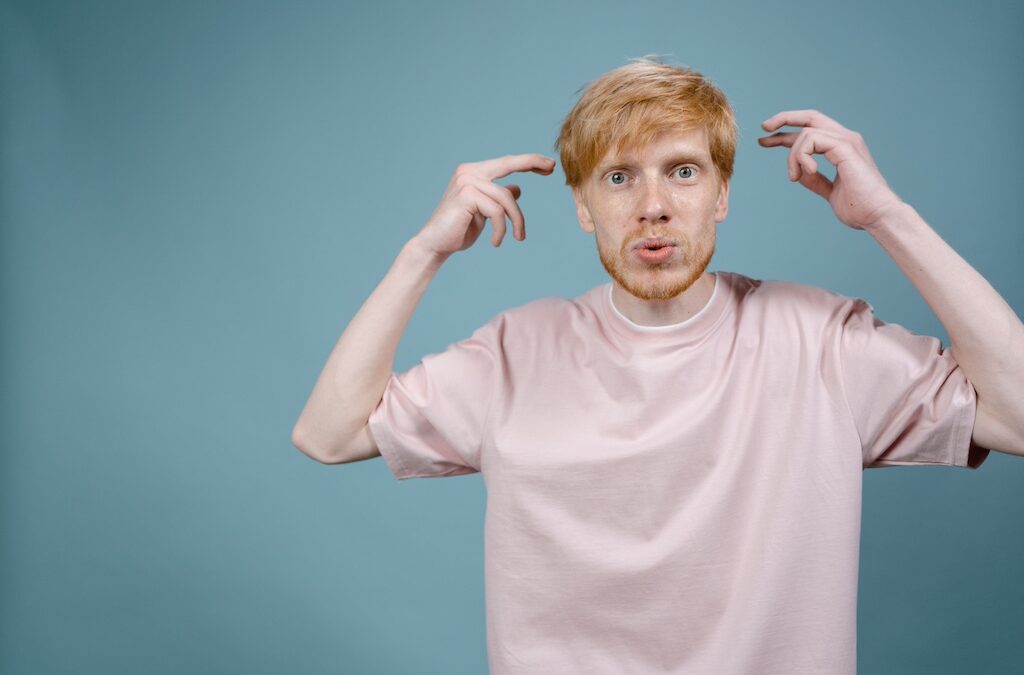
It’s the kind of thing we hear often at First & Mane. A client comes in, scratches their head intensely, and asks…can an itchy scalp mean hair growth or even hair loss? Indeed, this is the popular myth passed from generation to generation, which has caused many to think that the tingling sensation of the skin means that new hairs are being pushed up through the skin.
The idea provides great relief, since growing out a freshly cut hairstyle takes great patience. Any sensation whatsoever gives a welcome sign of progress. The actual biology of having a healthy scalp, however, is far more complicated than any myths may lead you to believe. An itch does not usually indicate new hair; rather, it shows that some special attention is due to the skin on top of your head.
In this guide, we will provide a full breakdown of the biology behind the itchiness and will help you understand what is truly going on with your scalp. Knowing what is the true reason behind the irritation will allow you to take the proper steps to make sure that your hair has the healthiest scalp as a foundation. Let’s ensure that you know enough about the matter to have a healthy, thick mane.
Understanding the Root Causes of a Permanently Itchy Scalp
Impact of Dandruff and Seborrheic Dermatitis
When a client reports an uncontrollable itchiness, we immediately suspect dandruff. The very common condition implies the quick shedding of the dead skin cells on the scalp, often accompanied by a fungus known as Malassezia.
There is even a rarer variant of dandruff, called seborrheic dermatitis, which entails reddened greasy skin with white or yellow flakes covering it. Neither of these things suggests that your hair is growing, even though some people will ask…does an itchy scalp indicate hair growth? They show that your scalp is fighting an inflammation and an imbalance within the microflora of the skin.
Dry Scalp and Its Effect on the Skin
Similar to the skin on your hands, the scalp can become very dry in winter because of a lack of sebum. The lack of the vital substance makes the skin tight and crackled, creating a very strong irritation effect. The most frequent victims are clients who tend to wash their hair with excessively hot water and aggressive shampoos, which deprive their scalp of moisture. Adding sufficient amounts of moisture is the only solution to such a problem, even though some may assume itching scalp means hair is growing.
Dangers of Product Buildup in the Scalp Tissue
We love grooming as much as anyone else in this business, but the overuse of any styling product without proper cleaning creates the product buildup effect. In the course of time, the accumulation of various substances (natural oils, sweat, pollution) becomes very thick and starts to create a layer above the scalp. This layer suffocates the hair follicles and irritates them, thus causing a permanent itch. It has to be cleaned thoroughly to restore normal activity of the skin, regardless of myths like itchy head hair growth.
Indicators That You Should Visit the Dermatologist
Although a little bit of an itchiness is quite usual, you have to pay particular attention if the sensation interferes with your daily activities or prevents you from sleeping at night. Other signs suggesting that something serious is going on are extreme redness, swelling, and sores on your scalp. They may indicate either the development of the scalp psoriasis or the reaction of the tissue to a certain hair product, rather than ‘itchy scalp means hair growth’. If regular washing does not help to eliminate the problem in several weeks, it’s best to pay a visit to the doctor.
FAQs
Does Scratching My Scalp Cause Hair Loss?
Scratching the scalp is a very dangerous action, as you can easily damage the hair follicles and break your hair strands. Moreover, breaking the skin allows the bacteria to penetrate it and cause infection. Instead, you may simply massage your scalp gently using the pads of your fingers to remove the tension without doing any damage.
How Often Should I Wash My Hair To Avoid The Problems?
The frequency of hair washing varies depending on your hair type and activity levels. For people with high activity or oily hair, we suggest washing every two days to prevent sebum buildup. People with coarse, thick, or naturally dry hair will probably only need to wash their hair once or twice per week to maintain moisture.
Are There Any Effective Ways To Soothe The Irritation?
Fortunately, there are numerous options that help calm your scalp. We highly recommend using special shampoos with tea tree oil, peppermint, or salicylic acid, which will gently cleanse and relieve the irritation. Whether a men’s messy hair look or a professional one, weekly scalp scrubs will also be able to clean up excess product and dead skin without causing any extra discomfort.
Achieving Healthiest Hair at First & Mane
Having a completely healthy scalp is the key to growing strong and thick hair. Although the itchiness will never mean hair growth, it reminds you of your responsibility for caring about it. In case you have troubles managing your scalp irritation or wish to improve your routine, visit our team and consult a specialist!

Dru Meskan is the owner and master barber at First & Mane in Scottsdale, Arizona. With 19 years of haircutting experience, including 11 years as a professional barber, Dru is known for precision cuts, modern grooming techniques, and personalized service that keeps clients looking and feeling their best.